
What Is the Best Type of Youth Golf Club?

The best youth golf clubs are not simply the smallest clubs on the rack. They should match a young player’s height, strength, swing speed, and current skill. A club that is too long can drag near the turf; one that is too heavy may turn a smooth swing into a strained one. Fit matters.

Dan Van Horn, founder of U.S. Kids Golf, is known for focusing on junior-specific club fitting. A useful editorial paraphrase of that approach is: “Fit the child, not the calendar.” That distinction matters. Buying clubs with extra length for a child to “grow into” can make practice harder today, even if the idea seems economical.

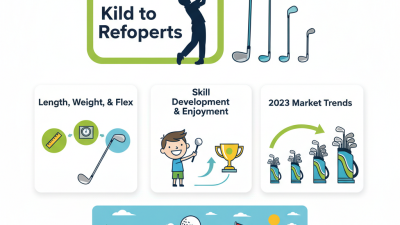
In this guide, we’ll look at club length, weight, shaft flex, set makeup, and the differences between complete junior sets and individual clubs. We’ll also consider age and height charts—but treat them as starting points, not verdicts. Two children of the same age can swing very differently. A fitting session, where available, can reveal details a chart misses, such as a child reaching awkwardly for the grip or struggling to lift the clubhead.

There isn’t one perfect set.

And a lower score is not the only measure. Comfortable setup, balanced swings, and the confidence to keep practicing are practical signs that the clubs may be a better match. I used to think a full set was always the sensible choice. Not necessarily.
What Is the Best Type of Youth Golf Club?

What Defines a Youth Golf Club

A youth golf club is defined by fit, not simply by a smaller adult shape. Its length should let a young player stand comfortably and reach the ball without hunching. A lighter club can help them swing smoothly, while a narrower grip may sit more naturally in smaller hands. Flex and head design matter, too, but they cannot correct a club that is too long or heavy. Check contact and balance during real swings, not only against an age chart. Fit is personal.

The National Golf Foundation’s 2023 participation report counted about 3.4 million U.S. golfers ages 6–17 who played on-course. That broad age range includes very different heights, strength levels, and swing speeds, so age alone is a poor fitting measure. A useful test is simple: can the player hold posture, swing without straining, and make repeatable contact? A coach or qualified fitter can assess those details and adjust as the child grows. Growth is uneven. Even a careful fitting can miss how quickly a child changes, so reassess after noticeable growth or when the club starts feeling awkward.

What Is the Best Type of Youth Golf Club?

Approximate Driver Length by Golfer Height

A well-fitting youth club is sized to the golfer, not just their age. These approximate driver-length starting points illustrate how club length generally increases with height. Actual fit varies by posture, strength, and swing; the golfer should be able to stand comfortably and swing with control.

How Youth Club Design Differs from Adult Club Design

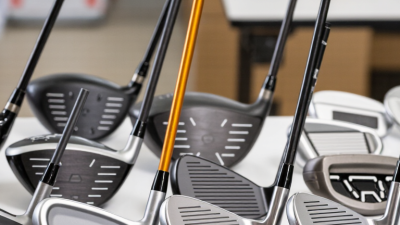
Youth clubs differ from adult clubs because young players need equipment scaled to their bodies, not simply shortened. A shorter shaft can help a child reach the ball without bending excessively. Lower total weight also makes it easier to swing freely and repeat the motion. Grip size matters: a thick grip can make small hands work harder. Clubhead design and shaft flexibility should suit the player’s strength and swing speed, rather than imitate adult specifications. Fit matters.

Growth is uneven. Two children of the same age may need different club lengths, and one child’s fit can change within a season. The National Golf Foundation’s 2024 participation report estimated that about 3.4 million U.S. children ages 6–17 played on-course golf in 2023. That broad age range makes age-only sizing a weak shortcut. A simple fitting check is more useful: have the player stand naturally, hold the club, and see whether the sole rests near the ground without forcing the hands high or low. The R&A’s 2023 Global Golf Participation Report counted 42.7 million on-course golfers across markets outside the United States and Mexico, showing how varied the game’s playing population is. Yet participation figures do not tell us which club suits an individual child. I’d recheck length and grip as the player grows; that step is easy to overlook.

Common Types of Youth Golf Clubs and Their Uses

What Is the Best Type of Youth Golf Club?

Common Types of Youth Golf Clubs and Their Uses

The best youth golf clubs match a player’s height, strength, and experience. A complete junior set usually includes a driver, a hybrid or fairway wood, a few irons, a wedge, and a putter. That mix covers tee shots, longer fairway shots, short approaches, and putting without overwhelming a beginner. Fit matters most. Clubs that are too long or heavy can make it harder to swing smoothly; shortening adult clubs does not always make them feel right.

A driver helps launch the ball from a tee, while a hybrid is often easier to use from grass than a long iron. Mid-irons suit shots toward the green, and a wedge helps with short shots around it. The putter is for rolling the ball on the green. More experienced young players may benefit from adding clubs gradually, based on the shots they actually need. There is no perfect set for every child, and a fitting chart may miss differences in posture or swing.

Tips: Have the player hold a club naturally. The grip should feel manageable, and the clubhead should not drag on the ground. If possible, test a few swings before buying. Keep the set simple. A coach or qualified club fitter can help check length and weight, especially during a growth spurt.

How Age, Height, and Skill Level Affect Club Choice

What Is the Best Type of Youth Golf Club?

Age, height, and skill level all shape a young golfer’s club choice. Age can narrow the options, but it should not decide the fit by itself. Two children of the same age may differ greatly in height, arm length, and strength. A club that is too long can force a child to stand awkwardly or choke down on the grip. Watch the setup. The child should be able to hold the club comfortably, with the clubhead resting near the ground and the arms relaxed.

Height helps guide club length, while strength and coordination matter when choosing weight. A lighter club is often easier for a developing player to swing smoothly. Still, the lightest option is not automatically best; the child should be able to control the clubhead through the swing. If possible, have a knowledgeable golf instructor or club fitter observe a few swings. A chart can make this look simpler than it is.

Skill level affects how many clubs a young golfer needs. Beginners often do well with a small, manageable set, such as a putter, a short iron, and a fairway club. More experienced players may benefit from additional options as their contact and swing speed improve. Pay attention to repeated signs of poor fit, like losing balance or struggling to reach the ball. Children grow quickly, so recheck length and grip comfort every season. Sometimes the old set still works. Sometimes it doesn’t.

What Is the Best Type of Youth Golf Club? - How Age, Height, and Skill Level Affect Club Choice

Typical Age Approximate Height Skill Level Suitable Club Type Set Composition What to Check During a Fitting
4–6 years Under 4 ft (122 cm) New to golf or developing basic coordination Very lightweight junior clubs with flexible shafts, smaller grips, and oversized, forgiving clubheads. A small starter set of about 3–5 clubs, such as a short iron, a wedge, a putter, and an easy-to-hit fairway club. The child should be able to hold the club comfortably and swing it without strain. Avoid clubs that feel heavy or require a long reach.
6–8 years About 4 ft–4 ft 6 in (122–137 cm) Beginner to recreational player Junior-length clubs with lightweight shafts, forgiving heads, and grips sized for smaller hands. About 5–7 clubs, adding a driver or hybrid if the player can control it comfortably. Check stance, grip comfort, and balance. The club should not force the player to stand too upright or bend excessively.
8–10 years About 4 ft 6 in–5 ft (137–152 cm) Beginner to intermediate Junior clubs selected by measured height and strength; a slightly firmer shaft may suit a stronger, faster swing. About 6–9 clubs, typically including a driver or fairway wood, a hybrid, a few irons, a wedge, and a putter. Look for consistent contact and a balanced finish. The player should be able to swing freely rather than compensate for extra length or weight.
10–12 years About 5 ft–5 ft 6 in (152–168 cm) Intermediate or rapidly improving Longer junior clubs or a carefully fitted transition set; shaft weight and flex should match swing speed and strength. About 8–11 clubs, with additional irons or wedges only when the player can use them effectively. Recheck club length as the child grows. A fitting should consider posture, swing control, club weight, and shot pattern—not age alone.
12–14 years About 5 ft 6 in (168 cm) and taller Intermediate to advanced, with growing strength Compare longer junior clubs with shorter or lighter adult clubs. Choose based on measured fit and swing characteristics. A partial or full set can work, depending on the player's needs and ability to manage the clubs. Do not move to adult clubs based on age alone. Confirm that the player can maintain posture, control the clubhead, and swing without excessive effort.

Fitting note: Age and height ranges are broad starting points, not fixed sizing rules. Children of the same age can differ substantially in height, strength, hand size, and swing speed. Measure the player and test clubs when possible; reassess the fit as the child grows. A smaller, manageable set is often more useful than a full set of clubs the player cannot control.

How to Assess Fit, Weight, Flex, and Adjustability

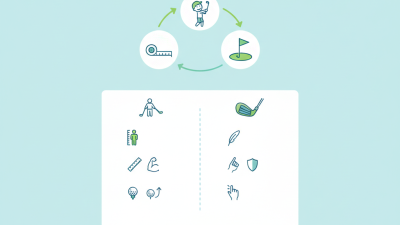
The best youth golf club is the one a player can control through a balanced swing, not simply the one that matches their age. Check the child’s posture and reach: at address, arms should hang comfortably, with no forced crouch or stretched fingertips. A club that is too long can encourage awkward compensations. Too short can make the player hunch. Comfort matters.

The National Golf Foundation’s 2024 Golf Participation Report counted about 3.4 million U.S. juniors who played on-course golf in 2023. That figure measures participation, not fitting results, but it highlights how many young players need equipment suited to changing bodies. Weight and shaft flex deserve a hands-on check: have the player make several relaxed swings, then observe balance, contact, and whether the clubhead arrives consistently. A shaft that feels overly stiff may be hard to load; one that bends excessively can make direction less predictable. Don’t judge by one shot. Adjustable clubs can accommodate growth, but settings should be changed carefully and retested. Recheck fit as height and strength change—often, the old setup still looks fine until the swing starts compensating.