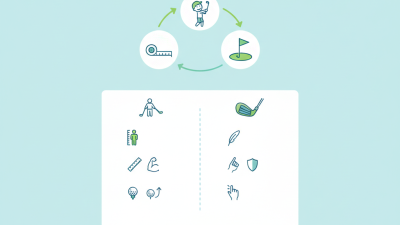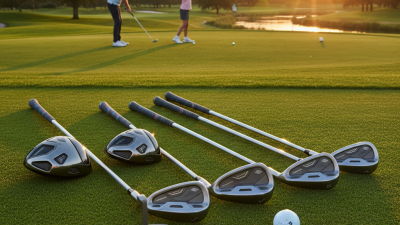

Choosing the best youth golf clubs for beginners starts with fit, not branding. A child should swing freely, carry the bag comfortably, and enjoy the first few holes. That sounds obvious. It is often ignored.
The National Golf Foundation reported approximately 3.6 million junior on-course golfers in the United States in 2023. The R&A’s Golf Around the World report also shows golf reaching more young players across international markets. These figures suggest strong demand for accessible equipment, but participation alone does not identify the right set. A seven-year-old may need shorter shafts, lighter clubheads, and smaller grips. A taller eleven-year-old may require a different configuration. Age is only a starting point.
Dan Van Horn, founder of U.S. Kids Golf, has expressed a useful fitting principle: “Fit the club to the child, not the child to the club.” That idea guides this outline. We will examine club length, total weight, grip size, set composition, forgiveness, and room for safe growth. A child struggling to lift a driver or control a seven-iron needs a better fit, not more technical instruction. Professional fitting advice matters, especially when parents compare complete sets online.
Still, no chart replaces observation. A perfectly measured club can feel wrong after ten swings. I may also overvalue specifications when confidence matters more. The best youth golf clubs should make practice feel lighter, contact feel achievable, and the next round feel worth anticipating.
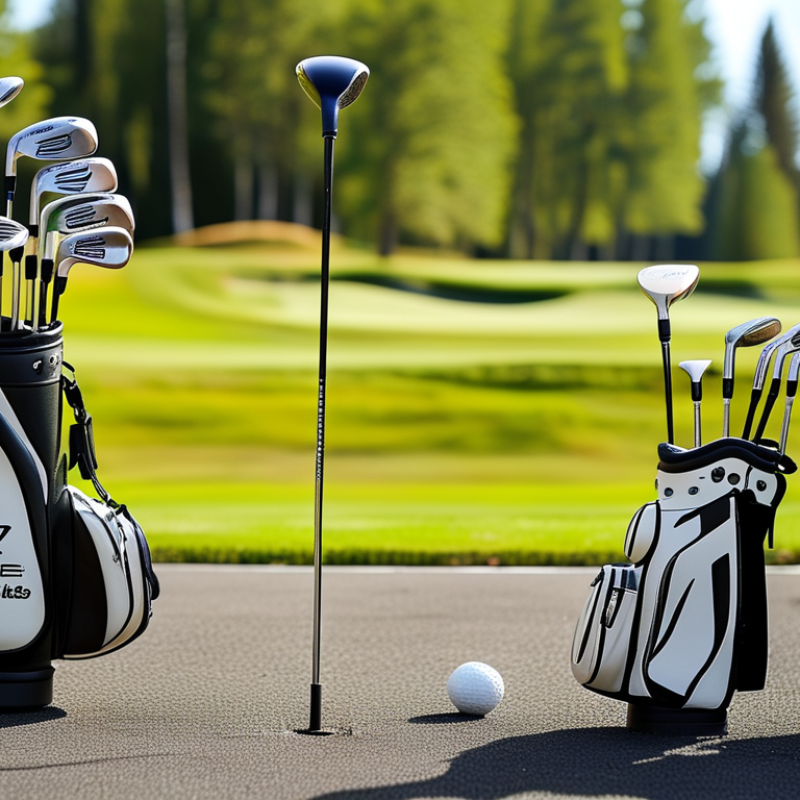
Choosing youth golf clubs for beginners starts with the child, not a product label. Age provides a useful starting point, but height usually guides club length more accurately. Measure the child barefoot, from the floor to the wrist, while standing naturally. Compare that measurement with a reliable junior fitting chart. Growth matters, but oversized clubs can make learning uncomfortable.
Skill level also affects the fitting. A new player often needs lightweight clubs, forgiving clubheads, flexible shafts, and grips small enough for relaxed fingers. The child should control the club without lifting the shoulders or gripping tightly. Watch a few practice swings. If the club feels heavy, the swing may slow down or lose balance. Lofted clubs can help beginners launch the ball higher, especially when contact is inconsistent.
A qualified club fitter or teaching professional can check posture, swing speed, and strike pattern. During a fitting, let the child hit several shots rather than relying only on measurements. A simple test works well: the child should finish the swing comfortably and repeat the motion without obvious strain. No chart is perfect. I have seen parents choose longer clubs for future growth, only to watch the child develop poor posture. Recheck the fit as height and strength change. Small adjustments can protect confidence and improve practice quality.
Approximate 7-iron starting lengths by player height. Height is usually more reliable than age when selecting beginner youth clubs.
Use age only as a starting point. Children of the same age can differ greatly in height and strength.
Measure in golf shoes from the floor to the top of the head. The club should allow a relaxed posture and comfortable grip.
Beginners generally benefit from lightweight clubs, flexible shafts, larger heads, and forgiving cavity-back designs.
The sole should sit naturally, the grip should not be forced into the palm, and the player should swing without losing balance.
The measurements shown are practical starting points based on common junior fitting ranges. Recheck club length as the player grows, and prioritize posture, control, and comfort over age-based labels.
Choosing youth golf clubs for beginners starts with fit, not the largest possible set. Under USGA Rule 4.1b, a player may carry up to 14 clubs during a round. This is a maximum, not a beginner’s requirement. A young golfer may learn more comfortably with six or eight well-fitted clubs.
A practical starter set could include a putter, a short iron, a mid iron, a sand wedge, a hybrid, and a fairway wood. These clubs cover putting, chipping, approach shots, and longer swings without creating confusion. Club length matters greatly. A junior should stand naturally, with relaxed arms and a balanced posture. Oversized grips can make small hands tense. That mistake is easy to miss.
The child’s strength and swing speed should guide shaft flexibility and club weight. A seven-year-old and a twelve-year-old rarely need the same setup, even at similar heights. Check whether the golfer can swing smoothly for nine holes. If the club feels heavy after several swings, it may be unsuitable. Comfort builds better practice habits.
Fourteen clubs can sound exciting. It can also become unnecessary baggage. Beginners often change clubs too quickly instead of learning distance control. I would rather see a junior hit one wedge confidently than carry three wedges without purpose. Fitting should be reviewed as the child grows, because today’s perfect length may feel awkward next season.
Choosing youth golf clubs should begin with measured swing data, not age alone. A child’s height gives useful context, but it cannot reveal swing speed, tempo, or control. During a fitting, record clubhead speed, ball speed, launch angle, and strike location. These numbers show whether the club supports the child’s natural motion.
Club length and posture Club length deserves close attention. A club that is too long can force an upright posture and inconsistent contact. A short club may restrict extension and reduce distance. Ask the child to take a relaxed stance, then check whether the sole rests evenly at address.
Weight matters If the child struggles to lift the club smoothly, it is probably too heavy. If the club feels unstable, it may be too light.
Shaft flex should match measured swing speed and tempo. A slower swing often benefits from a more flexible shaft, while a faster, aggressive motion may need greater stability. However, swing speed alone is not enough. Watch transition, release timing, and impact quality. A launch monitor can help, but real swings can change under pressure. I have seen children test well indoors, then lose control outdoors. Recheck the fit after several practice sessions. Small adjustments may reveal better contact, even when the first fitting seemed convincing.
Choosing youth golf clubs for beginners should start with measurable results, not bright colors or impressive claims. A launch monitor can reveal how each club performs during real swings. Watch ball speed first. It shows whether the club helps a child create useful distance without forcing extra effort.
Launch angle matters just as much. A higher launch usually helps beginners keep the ball in the air, especially with slower swing speeds. Spin should remain steady, not simply high. Excessive spin can shorten shots and create a ballooning flight. Dispersion may be the most practical measure. A club producing slightly less distance but tighter results can make golf more enjoyable. I have seen young players chase speed and lose control. That choice often looked exciting, but it was not effective.
Tips: Test several shaft lengths and flex options. Record at least ten shots with each club, then ignore the best single result. Check the average ball speed, launch angle, spin, and left-right dispersion. Ask the fitter to explain unusual numbers in simple language. Children sometimes swing differently after fatigue, so include a short break. Measurements are helpful, but they are not perfect. A nervous first session may distort the results. Recheck the fit after several months, because growing children can quickly outgrow a previously suitable setup. Comfort still matters. A club that feels easy to control encourages better contact and more confident practice.
How to Choose the Best Youth Golf Clubs for Beginners?
Choosing youth golf clubs should begin with fit, not appearance. The R&A’s Golf Around the World 2023 report recorded 66.6 million golfers worldwide, including many young players entering the sport. A beginner needs clubs that match height, strength, and swing speed. Clubs that are too long can force poor posture. Heavy heads may slow the swing and create frustration. In my coaching experience, small fitting errors often become stubborn habits.
Recheck club fitting every 6–12 months as junior golfers grow. A child can gain several centimetres within one season. Check wrist-to-floor measurement, grip comfort, posture, and swing balance. The National Golf Foundation reported about 28.1 million on-course golfers in the United States during 2023, showing a large and diverse player base. However, participation data does not replace an individual fitting. Growth patterns differ greatly. I once underestimated a player’s arm length, and the correct shaft change improved contact within minutes.
Tips: Measure before buying. Let the child swing naturally. Watch for cramped elbows, raised shoulders, or repeated heel strikes. A fitting review should take place sooner if growth accelerates or the swing changes suddenly. Ask a qualified coach to check lie angle and club weight. Do not choose extra-long clubs for future growth; that shortcut can delay confidence. Sometimes, the cheaper-looking option creates higher learning costs.
| Fitting Dimension | Practical Guideline for Beginners | What to Check | Why It Matters | Recommended Review |
|---|---|---|---|---|
| Player Height | Use the junior golfer’s current height as the first screening measurement. Avoid choosing clubs based on age alone because children of the same age can differ significantly in size. | Measure in socks, standing upright, with the head level and feet flat on the floor. | Correct overall length helps the player maintain balance, posture, and consistent contact. | Every 6–12 months or after a noticeable growth spurt. |
| Wrist-to-Floor Length | Measure from the crease of the wrist to the floor while the golfer stands naturally. Compare this measurement with the club fitter’s length chart rather than relying on height alone. | Keep the measuring arm relaxed and measure both sides if posture is uneven. | This measurement reflects arm length and can identify whether standard junior sizing is too long or too short. | At each fitting session and whenever posture changes. |
| Club Length | At address, the junior should be able to stand comfortably with relaxed arms and a balanced posture. Avoid deliberately oversized clubs that require the player to choke down excessively. | Check address position, sole contact, swing balance, and whether the child consistently hits near the center of the clubface. | Excess length can make the club difficult to control, while a club that is too short may restrict posture and swing arc. | Every 6–12 months; sooner if the player frequently tops or strikes the ground behind the ball. |
| Total Club Weight | Choose a club that the golfer can swing smoothly from start to finish without losing balance or slowing down noticeably before impact. | Watch for excessive effort, an abbreviated backswing, poor finish position, or inconsistent swing speed. | A manageable weight supports better coordination and allows beginners to develop repeatable technique. | Review after rapid growth or a clear change in strength and swing speed. |
| Shaft Flex | Use a junior-appropriate flex selected for the player’s size, strength, and swing speed. A very stiff shaft is generally difficult for a young beginner to load properly. | Look for a comfortable tempo, a stable clubface, and a ball flight that is not consistently weak or excessively low. | The correct flex can improve launch, distance control, and the golfer’s ability to return the clubface squarely. | Reassess every 6–12 months as swing speed and physical strength develop. |
| Grip Size | The grip should fit comfortably in the fingers without forcing the golfer to squeeze tightly. Oversized grips can make it harder for smaller hands to release the club naturally. | Check whether the fingertips press deeply into the palm or whether the golfer struggles to control the club. | A suitable grip promotes relaxed hand pressure and better control throughout the swing. | Check during every fitting and replace worn or hardened grips. |
| Lie Angle | Use a professional dynamic fitting when possible. The correct lie allows the sole to interact with the ground appropriately during the actual swing. | Evaluate impact location, starting direction, posture, and the club’s sole contact with the turf. | An unsuitable lie angle can contribute to directional inconsistency and poor turf interaction. | Review when club length changes or the golfer’s posture and swing pattern develop. |
| Set Composition | Start with a simple set that matches the player’s ability, such as a putter, short iron or wedge, mid-iron, and a wood or hybrid. Add clubs gradually as skills improve. | Confirm that the player can use each club confidently and that there are no large, confusing distance gaps. | A smaller, purposeful set encourages practice and reduces unnecessary decision-making for beginners. | Review at the beginning of each playing season or when the golfer consistently outgrows current distances. |
| Clubhead Design | Prioritize forgiving clubheads with a relatively large hitting area and a low-to-moderate center of gravity. Choose designs that are easy to align at address. | Look for stable results on off-center hits and a shape that the junior finds visually comfortable. | Forgiveness helps beginners maintain playable results while they are still developing centered contact. | Reassess when the golfer’s consistency improves enough to benefit from more specialized equipment. |
| Performance and Comfort | The best beginner set is one the child can carry, set up, and swing without discomfort or excessive fatigue during a normal practice session. | Ask about hand, wrist, shoulder, or back discomfort and observe energy levels late in the session. | Comfort supports regular practice and reduces the risk of compensating with poor posture or excessive tension. | Check before every season and immediately if discomfort appears. |
| Growth Planning | Do not buy clubs several sizes too large solely to extend their usable life. A modest amount of room for growth is more practical than a major mismatch. | Confirm that the golfer can maintain a balanced address position and complete a controlled finish today. | Clubs that fit the current player are more likely to support sound fundamentals and enjoyment. | Schedule a fitting every 6–12 months, with an earlier check after rapid growth. |
Note: These guidelines are starting points rather than universal specifications. A qualified club fitter should confirm final length, lie, shaft, and grip choices using the golfer’s measurements, swing, strength, and playing goals.