
7 Tips for Buying Junior Golf Clubs?

Choosing junior golf clubs is not simply a smaller version of choosing adult equipment. A child’s height, wrist-to-floor measurement, swing speed, strength, and confidence all matter. The right club should feel light enough for controlled swings, yet stable enough to produce consistent contact. That balance can change quickly as a young golfer grows.

Industry participation data shows why this decision deserves care. The National Golf Foundation’s 2024 participation research reported that approximately 28 million Americans played golf on a course during the year. Its broader findings also highlight strong interest among younger players and beginners. Globally, The R&A’s Golf Around the World report recorded millions of golfers across established and emerging markets. These figures suggest a growing pathway into the sport, but participation does not guarantee suitable equipment. Fit still matters.

Small details matter.

This guide presents seven practical tips for buying junior golf clubs, using established fitting principles and real purchasing considerations. Shaft length, club weight, grip size, set composition, and adjustability will receive close attention. Parents should also examine durability, safety, return policies, and the child’s actual playing goals. A tournament junior may need different specifications from a beginner practicing twice monthly.

There is no perfect set for every child. A longer club may appear economical, but it can encourage poor posture and off-center strikes. I have also seen buyers focus too heavily on brand reputation while overlooking weight. That mistake is understandable, but it deserves reconsideration. Reliable choices come from measured fit, honest observation, and advice from a qualified club fitter or PGA professional.
7 Tips for Buying Junior Golf Clubs?

Define the Junior Golfer’s Height, Age, Skill Level, and 10-Step US Kids Golf Size

Choosing junior golf clubs starts with the child, not the club label.

Measure height barefoot, with the back against a wall and heels flat. Record age, but do not let age decide everything. Two eight-year-olds may differ by several inches. Skill level matters too. A beginner needs lighter clubs and a forgiving face. A confident player may handle slightly longer equipment.

Use this ten-step sizing check:
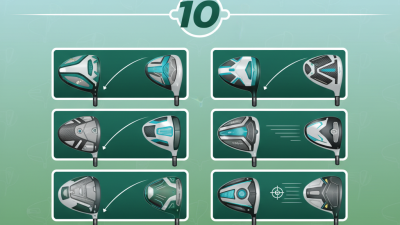
one, measure height; two, record age; three, note wrist-to-floor length; four, assess grip comfort; five, check club weight; six, observe swing balance; seven, inspect posture; eight, test contact consistency; nine, compare the child with a ten-step junior height scale; ten, retest after three months. The scale should move in small height ranges, helping families avoid clubs that feel oversized. The correct club allows relaxed arms and a comfortable knee bend.

Watch the swing in real conditions. If the child reaches forward, the club is probably too long. If the head drops behind the hands, it may be too heavy. A child who chokes down constantly may need a shorter option. I once trusted age recommendations too quickly, and the player developed a cramped setup. That mistake was useful, but avoidable. Skill changes fast, so fitting should not be permanent. Let the child hit several shots, listen for clean contact, and check whether the grip stays secure without squeezing.

Match Club Length to Height Using US Kids Golf and Manufacturer Fitting Charts

7 Tips for Buying Junior Golf Clubs

Buying junior golf clubs starts with height, not age. Measure the child barefoot, standing straight against a wall. Record the measurement in centimeters and inches. Compare it with a trusted junior fitting chart, then check the manufacturer’s fitting chart. Charts can disagree. Use the overlapping range as your safer starting point.

Keep these seven checks practical. Match club length to height. Measure wrist-to-floor distance for a second reference. Choose a lightweight club the child can lift smoothly. Check that the grip fits without squeezing. Let the child stand naturally, with the sole resting flat. Watch for bent elbows or a crowded stance. Recheck the fit as the child grows. A club that is too long often causes slow swings and poor contact. A short club may force uncomfortable bending.

I have seen children improve after changing length, even without extra lessons. Still, fitting charts are only a starting point. Swing strength, posture, and coordination can change the recommendation. Ask a qualified golf coach or club fitter to observe several swings. Test the club on grass if possible. Do not judge by appearance alone. My own mistake was trusting age labels too quickly; the child needed a shorter club and more confidence. Reassess the setup every few months, especially after a growth spurt.

Choose Lightweight Clubs: Compare Shaft Weight, Flex, and Swing Speed Data

7 Tips for Buying Junior Golf Clubs?

Lightweight clubs can help a junior create speed without forcing the swing. However, “light” should never mean unsuitable. Compare total club weight, shaft weight, and balance point together. A club that feels easy during five swings may feel heavy after fifty. Watch the player’s posture, contact, and finish. Frequent mishits often suggest poor fit, not poor effort.

Swing speed data gives useful direction. Measure several swings with the same club and similar effort, preferably using a launch monitor. Do not rely on one impressive swing. Compare clubhead speed, ball speed, launch angle, and strike location. A lighter shaft may increase speed, but control can decline if the shaft feels unstable. That trade-off matters. Real shots matter more than a number.

Flex also needs careful comparison. Junior flex labels are not standardized, so two shafts with the same label may perform differently. Match flex with speed, tempo, strength, and contact quality. A slower swing may benefit from a more flexible shaft, while an aggressive transition may need additional stability. Test clubs side by side, using the same ball and target. Ask the golfer how each club feels. Young players sometimes choose the fastest option, even when it produces scattered shots. I would question that choice. A slightly slower swing with centered contact often creates better distance and confidence. Allow room for growth, but avoid buying a club that is clearly too long or heavy today.

Select the Right Set Makeup with PGA Junior Development Guidelines

7 Tips for Buying Junior Golf Clubs?

Select the Right Set Makeup with PGA Junior Development Guidelines

PGA junior development guidance generally favors age- and skill-appropriate equipment, not adult clubs cut down. Measure the child’s height, wrist-to-floor distance, and current swing control. A club should feel light enough for a balanced finish. If the child strains to lift it, the set is too demanding.

Build a practical set makeup. Include a putter with a comfortable grip, one high-lofted wedge, and forgiving irons with sensible spacing. Add a hybrid or fairway club before adding several long irons. A driver can help later, but it should match the child’s strength and contact pattern. Keep the set simple. Seven or eight useful clubs often teach more than fourteen awkward ones. Check shaft length carefully, since one extra inch can change posture and strike quality.

Test the clubs on grass, not only indoors. Watch for clean contact, relaxed hands, and a finish the child can hold. Recheck the fit every few months during rapid growth. I once assumed longer clubs would last longer, but the child lost balance and stopped enjoying practice. That was a poor decision. Loft gaps, grip size, and total weight also deserve attention. A qualified junior coach or club fitter can compare these details objectively, while parents should notice comfort, confidence, and repeated swing changes.

Verify Grip Size, Loft, Lie, and Growth Room Through Professional Club Fitting

Buying junior golf clubs should begin with a professional fitting, not a guess based on height alone. A qualified fitter can measure the child’s height, wrist-to-floor distance, hand size, and swing speed. These details influence shaft length, grip size, loft, and lie angle. Small differences matter.

Ask the fitter to verify seven practical points. Check whether the grip sits comfortably without squeezing. Confirm that the loft helps the child launch the ball easily. Test the lie angle at address and during impact. Measure enough growth room, but avoid oversized clubs that feel heavy. Review shaft weight, flex, and total club length. Observe balance during several swings. Finally, let the child hit real balls, not only perform a showroom swing.

The fitting should feel useful and honest. A child’s swing can change within months. I have seen young players use clubs that were technically suitable but still felt awkward. Their hands tired quickly, and contact became inconsistent. That was a reminder that numbers do not tell everything. A fitter should watch posture, tempo, confidence, and repeated ball flight. Recheck the clubs after noticeable growth or a major swing change. Not every fitting is perfect. Allow time for questions, small adjustments, and a second opinion when the child struggles. Comfort remains the clearest warning sign.