

Choosing the best Strength Equipment for a commercial gym in 2026 requires more than comparing price tags. Facility owners must examine daily traffic, member skill levels, floor space, maintenance demands, and training goals. A beautiful machine can still fail when its upholstery tears, cables fray, or adjustments confuse new users. Real-world performance matters more than showroom appearance.
Dr. Stuart McGill, a respected spine biomechanics researcher, has said, “The key is not the exercise, but how it is performed.” That principle should guide every equipment decision. A power rack needs stable safeties and clear adjustments. A selectorized machine should move smoothly through a natural range. Dumbbells need secure handles, durable coating, and practical storage. Small details become major issues during busy evening sessions.
The strongest 2026 equipment plans will balance free weights, resistance machines, functional stations, and recovery-friendly options. Smart tracking may improve coaching, but technology cannot replace sound programming or attentive staff. Not every gym needs the newest connected device. Sometimes, a reliable cable station serves more members.
There is no universal winner. A luxury club, municipal facility, and high-volume training warehouse face different demands. This guide compares durability, biomechanics, versatility, user experience, safety features, and long-term value. Some recommendations remain debatable, and that is useful. Equipment choices should invite careful review, not automatic agreement. The right setup supports consistent training, protects investment, and feels dependable when hundreds of members use it every week.
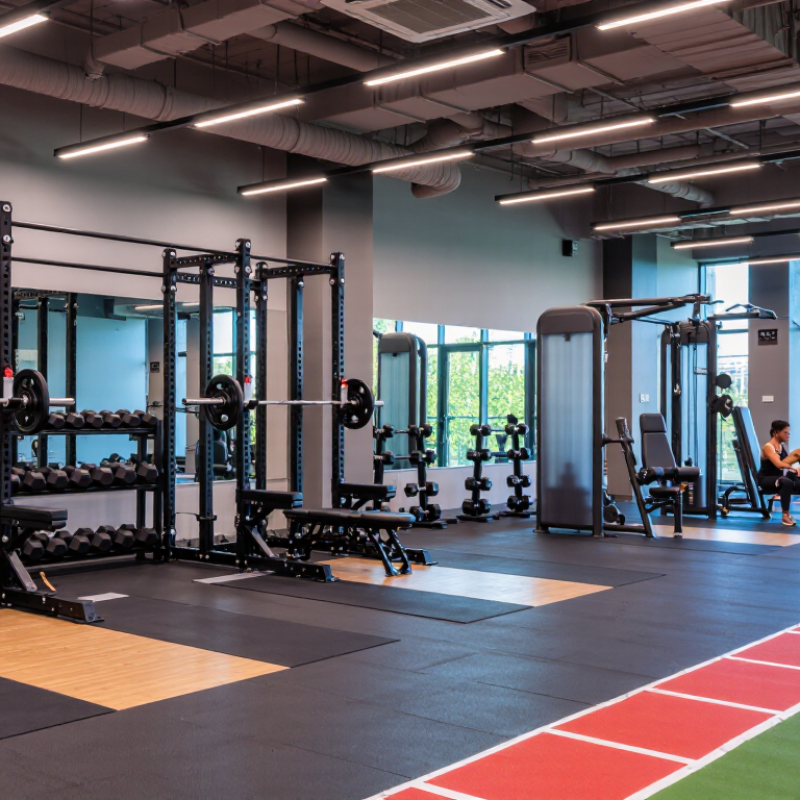
In 2026, the best strength equipment for commercial gyms is not always the most expensive or technologically complex. It should support safe, repeatable training for beginners, athletes, and older members. A busy facility needs frames, racks, benches, and machines that withstand thousands of weekly repetitions. Thick steel, stable bases, sealed bearings, and durable upholstery matter. So does comfort.
Small details matter.
The best equipment follows natural movement and offers simple adjustments. Handles should align with different body sizes, while seats and pads should lock firmly without excessive effort. Weight increments must be clear and manageable, especially for rehabilitation or beginner training. Coaches should test each machine with short, tall, strong, and less experienced users. Real users reveal flaws.
Safety is more than adding guards. Good design improves visibility, reduces awkward loading, and keeps walkways clear. Storage should prevent plates, attachments, and handles from becoming trip hazards. Accessibility also deserves attention, because a commercial gym serves varied abilities. Not every advanced feature improves training. Some screens distract members from posture and breathing.
Reliability includes maintenance. Commercial buyers should inspect welds, cable routing, adjustment points, and replacement-part access before purchasing. Tracking repairs can reveal the true cost of ownership. A common mistake is choosing equipment by appearance alone. A polished machine may still develop loose adjustments or uncomfortable resistance. No selection is perfect. Practical testing, staff feedback, and regular inspection create a more dependable strength area.
Commercial gyms need a balanced strength floor, not a room filled with identical machines. The core categories include power racks, benches, free weights, cable stations, plate-loaded machines, and selectorized machines. Power racks support squats, presses, and supervised barbell work. Choose models with stable bases, clear adjustment points, and integrated safety arms. Adjustable benches should lock firmly during heavy incline pressing. Small movement matters when a member is tired. It can become a safety concern.
Free weights create versatile training zones with dumbbells, barbells, plates, and storage systems. Rubber flooring, spacious racks, and visible load markings reduce clutter around busy platforms. Cable stations add controlled resistance for rows, presses, rotations, and rehabilitation-focused exercises. Dual adjustable pulleys serve more users than one fixed column. Space matters. I have seen excellent equipment perform poorly when planning ignores walkways.
Plate-loaded and selectorized machines provide guided options for beginners, older adults, and high-volume training. Selectorized units need smooth pins, clear diagrams, and seats that adjust without excessive force. Plate-loaded machines require accessible storage and enough clearance for loading plates. Commercial buyers should inspect weld quality, upholstery seams, warranty terms, and local service response. Test every station. Test the equipment with different body sizes, because one fit is never enough. A practical 2026 purchase should reflect cleaning routines, staff training, and member behavior, not showroom appearance alone.
2026 Best Strength Equipment for Commercial Gyms?
When evaluating commercial strength equipment, safety must begin with structure, not appearance. Inspect welds, frame joints, adjustment pins, and protective guards before testing performance. Cables should move smoothly, without fraying, grinding, or sudden resistance changes. Weight stacks need clear labels and secure locking systems. A stable frame matters when users train quickly or lift heavily.
Durability appears through repeated use. Review service records, replacement-part access, and corrosion resistance in high-sweat areas. Test benches for wobbling, torn upholstery, and weak adjustment mechanisms. Performance should feel controlled through the full movement. Handles should support neutral wrist positions, while seat angles should fit different body sizes. I have found that impressive specifications can hide uncomfortable biomechanics. User testing remains essential.
Tips: Create a short inspection routine for staff each morning. Record unusual noise, loose hardware, and cable wear immediately. Use an independent technician for periodic structural checks. Do not rely only on the equipment’s maximum load rating. Real gym conditions include rushed adjustments, uneven floors, and inconsistent maintenance. No checklist is perfect. Reassess it after injuries, repairs, or repeated member complaints.
Commercial-gym planning benchmark based on safety, durability, and performance criteria. Scores are normalized from 0 to 100; higher values indicate stronger suitability for high-use facilities.
Safety emphasizes controlled movement and user protection, durability reflects resistance to frequent use and maintenance demands, and performance measures training versatility and load capacity.
2026 Best Strength Equipment for Commercial Gyms?
Choosing Equipment for Different Gym Layouts and Training Needs
Commercial gyms in 2026 need strength equipment that fits real movement patterns, available floor space, and varied member abilities. The right choice begins with measuring clearances, ceiling height, walking routes, and emergency access. A compact training room may benefit from adjustable benches, cable stations, and modular racks. These tools support many exercises without creating crowded lifting zones.
Larger facilities can separate power training, machine-based resistance, and beginner areas. Heavy racks need stable flooring, defined spotting space, and visible load limits. Plate-loaded machines suit experienced members, while selectorized machines can offer simpler resistance changes. In my experience, placing popular equipment near entrances creates congestion during peak hours. It looks efficient on paper. It often is not.
Equipment selection should also reflect the training population. Athletes may need platforms, lifting stations, and storage for multiple bar types. Older adults may value supported machines, low step-up heights, and easy-to-read adjustments. Cable systems can serve rehabilitation-style movements, general strength work, and small-group sessions. Every unit should have documented maintenance procedures, secure attachments, and accessible cleaning points. A mistake I once made was prioritizing exercise variety over service access. Technicians needed too much time to reach basic components. Recheck the plan. Floor space must support people, not only equipment.
| Equipment Category | Primary Training Uses | Typical Equipment Footprint | Recommended Operating Clearance | Typical Load or Capacity | Best Gym Layout | Ideal User Groups | Planning Considerations |
|---|---|---|---|---|---|---|---|
| Full Power Rack | Squats, bench presses, overhead presses, rack pulls and barbell training | Approx. 1.5–2.0 m wide × 1.5–1.8 m deep; 2.2–2.4 m high | At least 1.2 m at the front and 0.9 m on accessible sides | Common commercial frames are rated for approximately 250–450 kg, depending on design | Dedicated strength zone Large open floor | Powerlifters, athletes, experienced members and small-group trainees | Requires a stable floor, suitable ceiling height and safe bar-storage planning. Add spotter arms or safety straps for unsupervised use. |
| Half Rack with Lifting Platform | Squats, Olympic lifting variations, deadlifts, presses and coached barbell sessions | Approx. 1.5–2.0 m wide × 2.0–2.5 m deep, including platform | Keep approximately 1.2 m in front and at least 0.9 m around the working area | Commercial systems commonly support approximately 250–450 kg of barbell load | Performance area Open-plan gym | Strength athletes, sports teams, personal-training clients and group classes | Platforms help define lifting stations and protect flooring. Check ceiling clearance for overhead movements and bumper-plate use. |
| Adjustable Utility Bench | Dumbbell presses, incline work, seated exercises and accessory strength movements | Approx. 0.7 m wide × 1.4 m long; stored footprint is smaller when vertical | Allow approximately 0.9 m on each active side and 1.2 m at the head or foot | Many commercial benches support approximately 250–450 kg combined user and external load | Free-weight zone Compact layouts | General members, personal-training clients and rehabilitation users | Choose a stable frame, secure adjustment mechanism and a flat position suitable for pressing. Benches should not block dumbbell aisles when stored. |
| Dumbbell Set with Tiered Rack | General resistance training, unilateral exercises, presses, rows and rehabilitation work | Rack: approximately 0.6–0.8 m deep × 1.5–2.5 m long; length depends on set size | Provide at least 1.2 m in front of the rack for selection and lifting | Commercial sets often range from approximately 2.5–50 kg per dumbbell | Free-weight zone High-traffic area | All user levels, including general fitness and personal training | Tiered storage improves visibility and reduces reaching. Use durable urethane or rubber-coated heads where noise and floor protection are priorities. |
| Cable Crossover | Cable presses, rows, flyes, rotations, pulldowns and multi-directional functional exercises | Approx. 2.5–3.5 m wide × 1.0–1.5 m deep; height commonly 2.2–2.5 m | Allow approximately 1.2–1.5 m in front and between the cable stations | Common cable stacks provide approximately 60–100 kg per side, with resistance varying by pulley ratio | Central training zone Small-group area | Beginners, general members, athletes and personal-training clients | Place where both sides remain accessible. Confirm the pulley ratio, stack increments and cable travel before comparing nominal stack weights. |
| Functional Trainer | Cable-based strength, assisted mobility, core training, sport-specific movements and rehabilitation exercises | Approx. 1.5–2.0 m wide × 1.0–1.5 m deep; height commonly 2.2–2.5 m | Provide approximately 1.2 m at the front and enough side space for cable angles | Typical stacks provide approximately 50–100 kg per side, depending on pulley configuration | Flexible floor plan Personal training zone | General users, older adults, athletes and rehabilitation clients | Adjustable pulleys improve exercise variety. Keep handles, benches and attachments organized so the surrounding floor remains clear. |
| Selectorized Chest Press | Seated horizontal pressing with guided resistance and simple weight selection | Approx. 1.1–1.4 m wide × 1.2–1.6 m deep | Allow approximately 0.9 m for entry and exit, plus 0.6–0.9 m for adjustment access | Weight stacks commonly range from approximately 70–120 kg | Machine circuit Beginner-friendly zone | Beginners, general members, older adults and supervised users | Guided movement can simplify instruction and reduce setup time. Position machines with visible access paths and avoid placing them in emergency routes. |
| Selectorized Lat Pulldown or Low Row | Vertical pulling, horizontal rowing, upper-back training and assisted progression work | Approx. 1.1–1.4 m wide × 1.2–1.6 m deep | Allow approximately 0.9 m for access and 0.9–1.2 m in the direction of cable movement | Weight stacks commonly range from approximately 70–120 kg | Machine circuit Rehabilitation area | All experience levels, including novice and deconditioned users | Check seat, thigh-pad and handle adjustments. A combined station can improve space efficiency, but separate stations may increase throughput during peak periods. |
| Leg Press | Supported lower-body pressing for quadriceps, glutes and hamstrings | Approx. 1.2–1.6 m wide × 2.0–2.5 m deep; height varies by design | Keep approximately 1.0 m at the entry side and ensure the sled travel path is unobstructed | Plate-loaded models commonly accept approximately 300–500 kg or more; capacity varies by angle and frame design | Lower-body zone Large commercial floor | General members, strength trainees and users needing supported lower-body work | Plate-loaded designs need nearby storage and a clear loading path. Verify the safety-stop range and user access for different body sizes. |
| Glute-Ham Developer | Hamstring curls, hip extensions, trunk work, posterior-chain training and athletic preparation | Approx. 0.8–1.0 m wide × 1.5–2.0 m long | Allow at least 1.0 m around the active end and maintain a clear dismount area | Bodyweight equipment; external loading depends on the frame and user setup | Performance area Open floor | Athletes, strength trainees and coached small groups | Prioritize firm anchoring, adjustable foot rollers and adequate head clearance. It is most useful where staff can demonstrate setup and technique. |
| Sled with Push/Pull Track | Loaded pushing, pulling, acceleration drills, conditioning and lower-body power work | Sled: approximately 0.6–1.0 m wide × 1.0–1.5 m long; track length is site-dependent | Use a dedicated straight lane, commonly 10–20 m long, with clear space at both ends | Load varies by sled and surface; many commercial sleds are designed for several hundred kilograms of plates | Performance turf Separate conditioning zone | Athletes, small groups and high-intensity training clients | Use suitable turf or a floor surface designed for sled friction. Separate the lane from walkways and provide clear rules for direction and speed. |
| Storage System for Plates and Bars | Organized storage for Olympic bars, bumper plates, change plates and collars | Approx. 0.6–1.0 m deep × 1.0–2.0 m wide; vertical storage reduces floor area | Maintain approximately 1.0–1.2 m in front for safe loading and retrieval | Capacity depends on peg, shelf and frame design; use the stated manufacturer rating for final loading | Strength zone perimeter Any layout | All users, especially free-weight and performance-gym members | Place storage near racks and platforms without narrowing traffic routes. Keep heavy plates at practical lifting heights and secure vertical bars against tipping. |
Commercial strength equipment should be selected with installation and long-term use in mind. Measure ceiling height, doorway widths, floor loading, and training clearances before ordering. A rack may fit the room but still block safe movement. Plan twice.
Use qualified installers to anchor frames, align cables, and check torque settings. Uneven floors can create small shifts that become serious stability problems. Keep assembly records, inspection dates, and adjustment notes. These details support safer maintenance and more reliable staff training. In busy facilities, inspect bolts, pulleys, upholstery, and guide rods weekly. Clean sweat from contact surfaces after peak hours. Replace worn parts early, even when they still appear usable. We once underestimated how quickly shared cable attachments could loosen. That mistake changed our inspection routine.
Tips: Leave access space behind every major station. Label adjustment points clearly. Keep spare fasteners and cables onsite. Train staff to report unusual noise immediately. During future upgrades, prioritize modular equipment with compatible attachments and replaceable components. Electrical needs may also grow if digital monitoring is added later. Reserve outlets and data pathways now. However, avoid upgrading every station at once. A phased plan protects cash flow and reveals which features members actually use. Review usage data, repair costs, and feedback every quarter. Some planned improvements may prove unnecessary. That is worth discovering early.